


Giving Blood in Australia: A Complete Guide to Lifeblood (My First Donation in Sydney!)

Today, I did something incredibly rewarding—I went and donated blood!
It has been a very long time since my last donation, and it was actually my first time ever donating here in Sydney, Australia.
When I was younger (or should I say, when I was a kid? Haha), I used to donate quite frequently. However, because I lived in the UK for a few years, I was barred from donating for a long time due to the strict restrictions surrounding Mad Cow Disease (vCJD) from that era, as research was still ongoing.
But just a few days ago, one of my friends mentioned she had just come back from donating blood. She told me that enough time has passed now that the rules have changed, and I should be eligible again!
They say you should strike while the iron is hot—or in my case, draw blood while the thought is fresh! So, I booked an appointment and headed over to the Lifeblood Sydney Town Hall Centre.
Whether you live in Sydney or anywhere else in Australia, donating blood is one of the easiest, most impactful ways to volunteer. However, if you've never done it before, you might have questions: Am I eligible? Does it hurt? How do I book?
In today’s post, I’ve put together a complete guide based on official information from Australian Red Cross Lifeblood. We’ll cover the basics, debunk some common myths, and walk through how the process works!
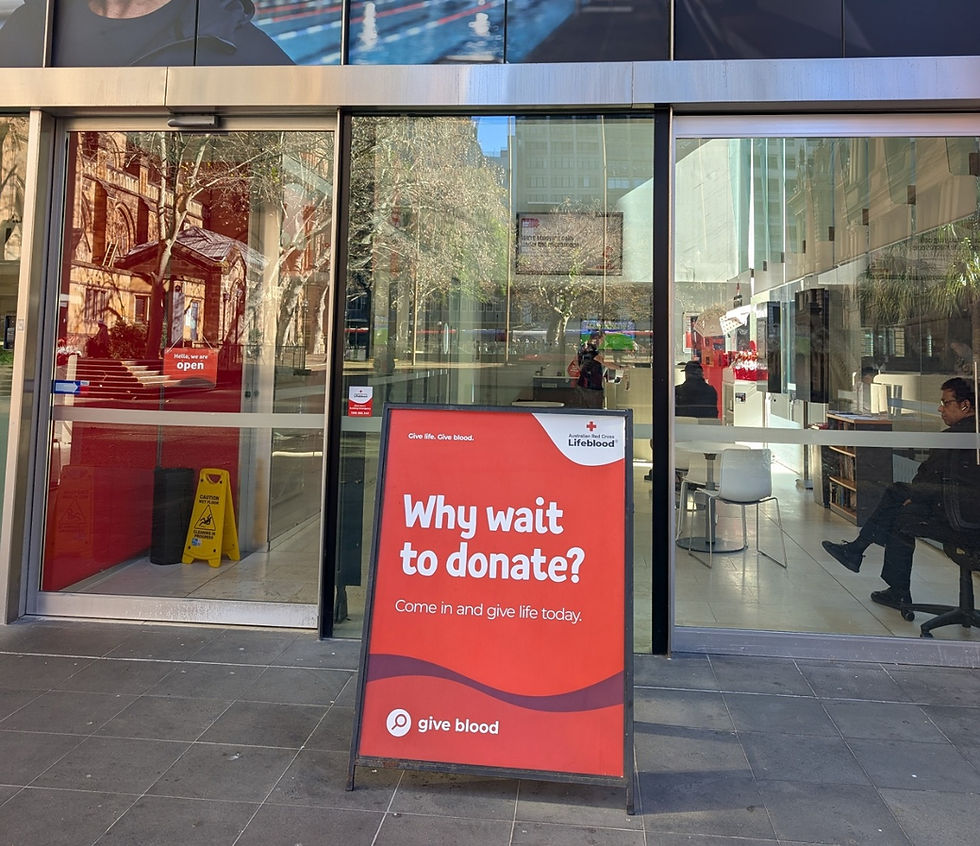
What is Lifeblood?
Lifeblood is a national division of the Australian Red Cross. They manage the collection of blood, plasma, and platelets across the country, and they even handle breast milk and microbiome (gut microbiota) donations!
Australia needs over 1.7 million donations every single year—that breaks down to about 3 donations needed every minute. When you realize that just one single donation can save up to three lives, a small act on your part truly makes a massive social impact.
Essential Info Before You Go
1. Eligibility Criteria
Age: If you are a first-time donor, you must be between 18 and 75 years old (you can register up until the day before your 76th birthday). If you are an existing donor, you can continue past age 81 as long as you've donated in Australia within the last 5 years.
Weight: You must weigh at least 50 kg. This ensures a safe volume of blood is drawn relative to your body size. (I was a little worried about this, but they had a scale there. I stepped on with my clothes on and passed the mark easily!)
Health Status: You need to be generally feeling well. If you’ve had a cold or flu, you must wait until you are fully recovered (usually at least 1 week).
Note: Recent international travel, tattoos/piercings, medications, and vaccinations can affect your waiting period. You can easily check your eligibility in just a few minutes using the online quiz on the Lifeblood website (www.lifeblood.com.au).
2. Types of Donations
Whole Blood: The most traditional type. They collect about 470ml of blood, and you can donate every 12 weeks (about every 3 months).
Plasma: A special machine separates your plasma and returns your red blood cells back to your body. Because your body replenishes plasma quickly, you can donate every 2 weeks.
Platelets: Similar to a plasma donation, but you generally need to have a history of successful plasma donations before you can start doing this.
3. Time and Process
The actual blood draw only takes about 10 minutes. However, when you factor in filling out the questionnaire, a quick finger-prick test to check your hemoglobin (iron) levels, and the post-donation rest period with snacks, you should budget about 45 minutes to 1 hour for the whole visit. Don't forget to bring an ID, like your driver’s license, passport, or the digital donor card on the Lifeblood app!
4. Preparing for Donation Day
Drink plenty of water and eat a light meal within 3 hours before your appointment. Fasting for diets or religious reasons means you should reschedule for a day when your body is fully fueled.
Do not consume alcohol before donating.
After donating, sit and rest for 5–10 minutes, and make sure to grab some complimentary drinks and snacks from the refreshment lounge.
Debunking Common Myths
Myth 1: Donating blood makes you weak and dizzy.
Fact: The blood collected is only about 8% of your total body volume, and your body replaces the fluid within 24 to 48 hours. As long as you rest and hydrate, you'll be fine. First-timers might feel a tiny bit lightheaded, but the staff are amazing and will make sure you rest comfortably.
Myth 2: You can catch an infection from donating.
Fact: Lifeblood uses brand-new, sterile needles and single-use collection kits for every single donation. There is zero risk of catching an infection from the equipment.
Myth 3: Vegetarians or people on diets can’t donate.
Fact: As long as you eat a balanced diet, vegetarians can absolutely donate. Just keep an eye on your iron levels, as low hemoglobin will temporarily delay your donation.
Myth 4: You can’t donate if you have tattoos or piercings.
Fact: If you got them at a licensed studio in Australia, you can still donate! The waiting period depends on the donation type—for plasma, you can often donate the very same day, while whole blood may require a short wait. Check the website for specifics.
The Perks of Donating
Directly Saving Lives: Your blood helps cancer patients, trauma victims, and newborn babies. Red blood cells only last 42 days, which is why regular donations are so critical.
Mini Health Check: The quick interview and hemoglobin test give you a brief snapshot of your current wellness.
A Sense of Achievement: Knowing your blood is actively helping someone heal is an amazing feeling. Lifeblood even has a "Lifeblood Gifts" rewards program to show appreciation.
Team Donations: Through the "Lifeblood Teams" program, you can sign up to donate as a group with your coworkers or friends, making it a fun and meaningful team-building activity.
Where and How to Book in Australia
Lifeblood operates permanent donor centres and mobile donor buses (pop-up units) all across Australia—spanning major cities like Sydney, Melbourne, and Brisbane, as well as regional towns.
How to book:
Go to the official Lifeblood website.
Click "Find a donor centre" and type in your suburb or postcode.
Log in (or create an account) and choose your preferred date and time.
Tip: Download the Lifeblood mobile app! You can manage appointments, track your next eligible date, and keep a digital donor card on your phone.
Prefer the phone? You can call them directly at 13 14 95.
If you're in Sydney, the Sydney Town Hall Donor Centre (483 George St) is super central and convenient, and there are permanent hubs in Parramatta, Chatswood, and mobile buses visiting universities and malls regularly.

My Wrap-Up & The Post-Donation Snack Bar!
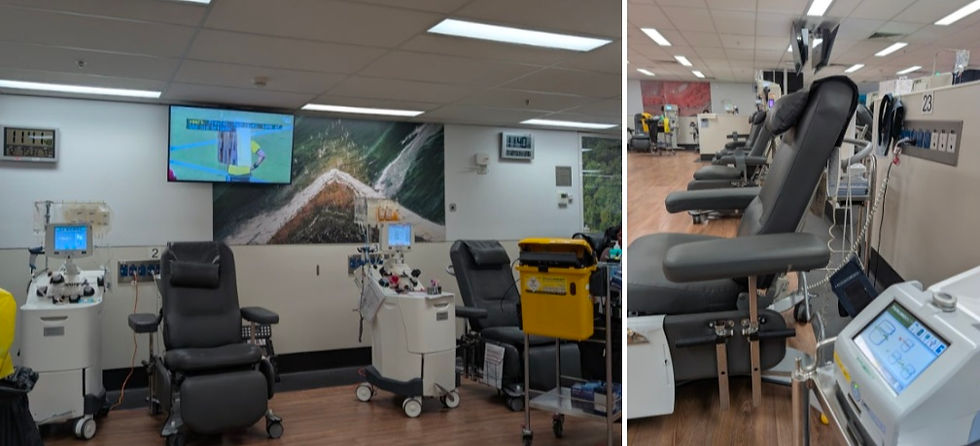
While I was giving blood today, I got to watch a World Cup match on the screen, which made the time fly by. (well, maybe it was lucky that Korea wasn't playing, as my blood pressure could've gone up so high! Lol)
Once I finished, I headed over to the refreshment zone, which honestly feels like a mini cafe! They provide a wide variety of snacks—warm drinks, sausage rolls, milkshakes, cookies, yogurt, and chips—completely free.
Because I had just given blood, I felt proud, and I definitely used the excuse of "replenishing my body" to enjoy some delicious snacks completely guilt-free!
Giving blood in Australia is one of the most accessible ways to give back to the community.
If you meet the basic age and weight requirements, it takes 5 minutes to check online, 10 minutes to donate, and an hour out of your day.
I highly recommend checking your eligibility and booking a spot at your nearest centre. Your small action could literally give someone else a second chance at life.
I hope this post motivates anyone who has been sitting on the fence about donating blood.
Thanks for reading, and see you in the next post!


Comments